
San Vigilio di Marebbe
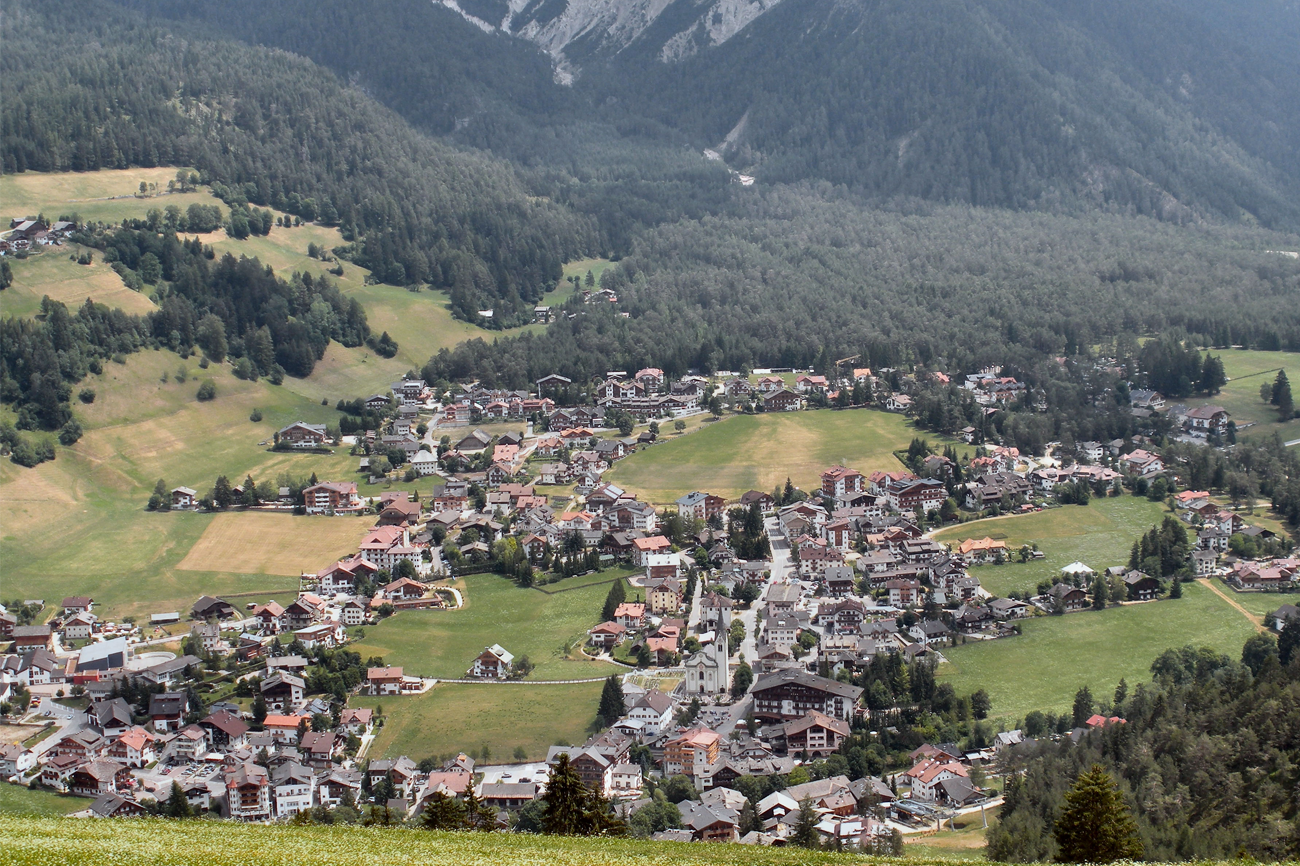
Nestled like jewels in the heart of the Dolomites, a UNESCO World Heritage Site, these towns are gateways to the South Tyrolean natural parks of Fanes-Senes-Braies and Puez-Odle, and integral parts of the renowned Plan de Corones holiday area.
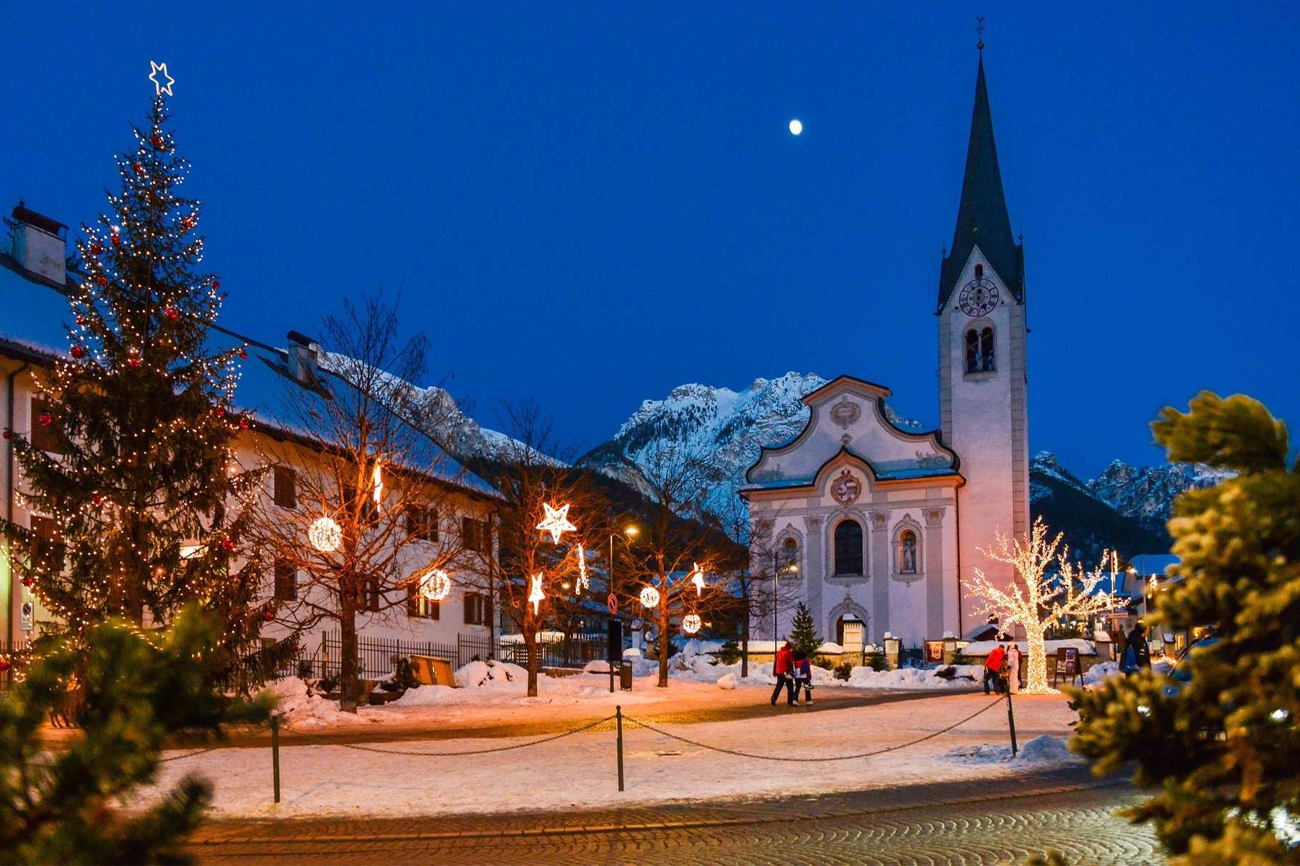
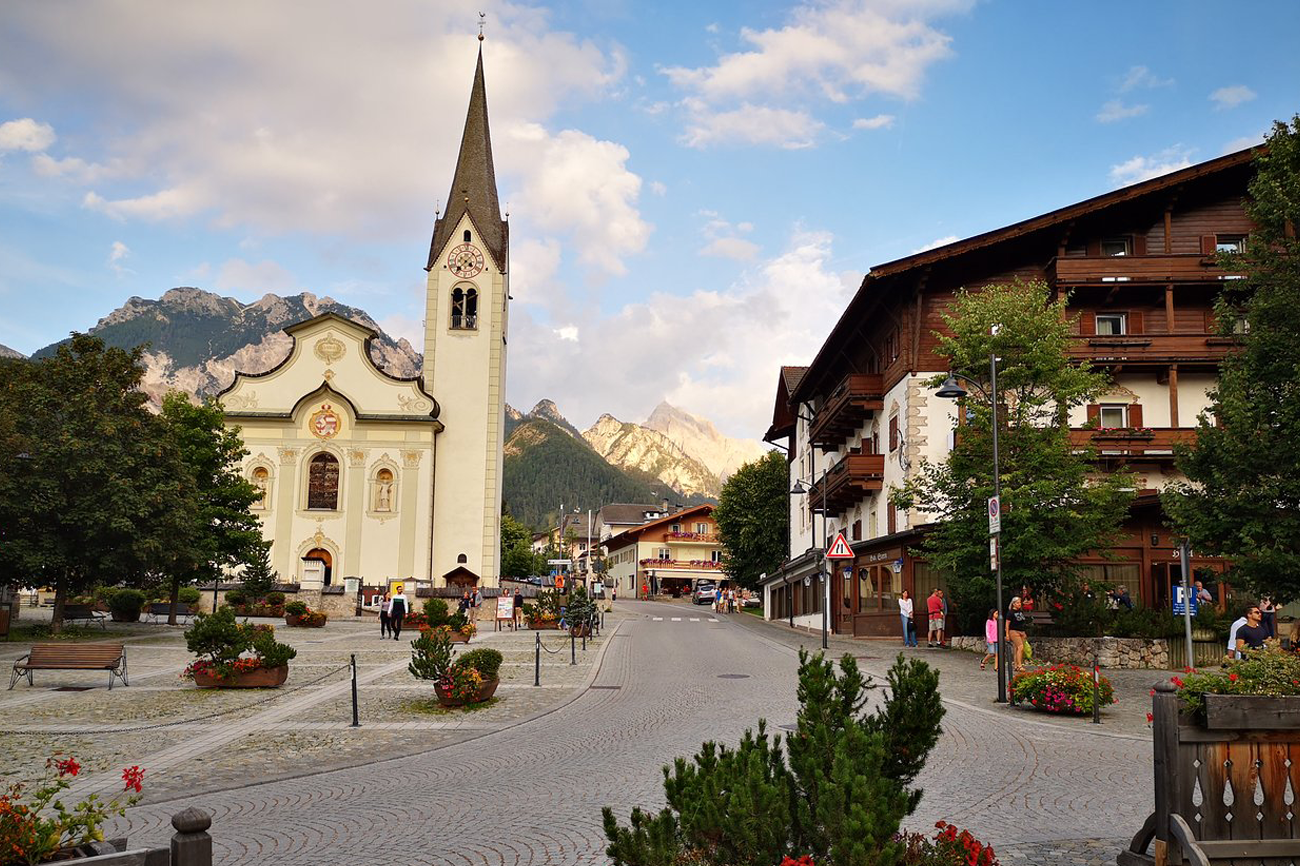
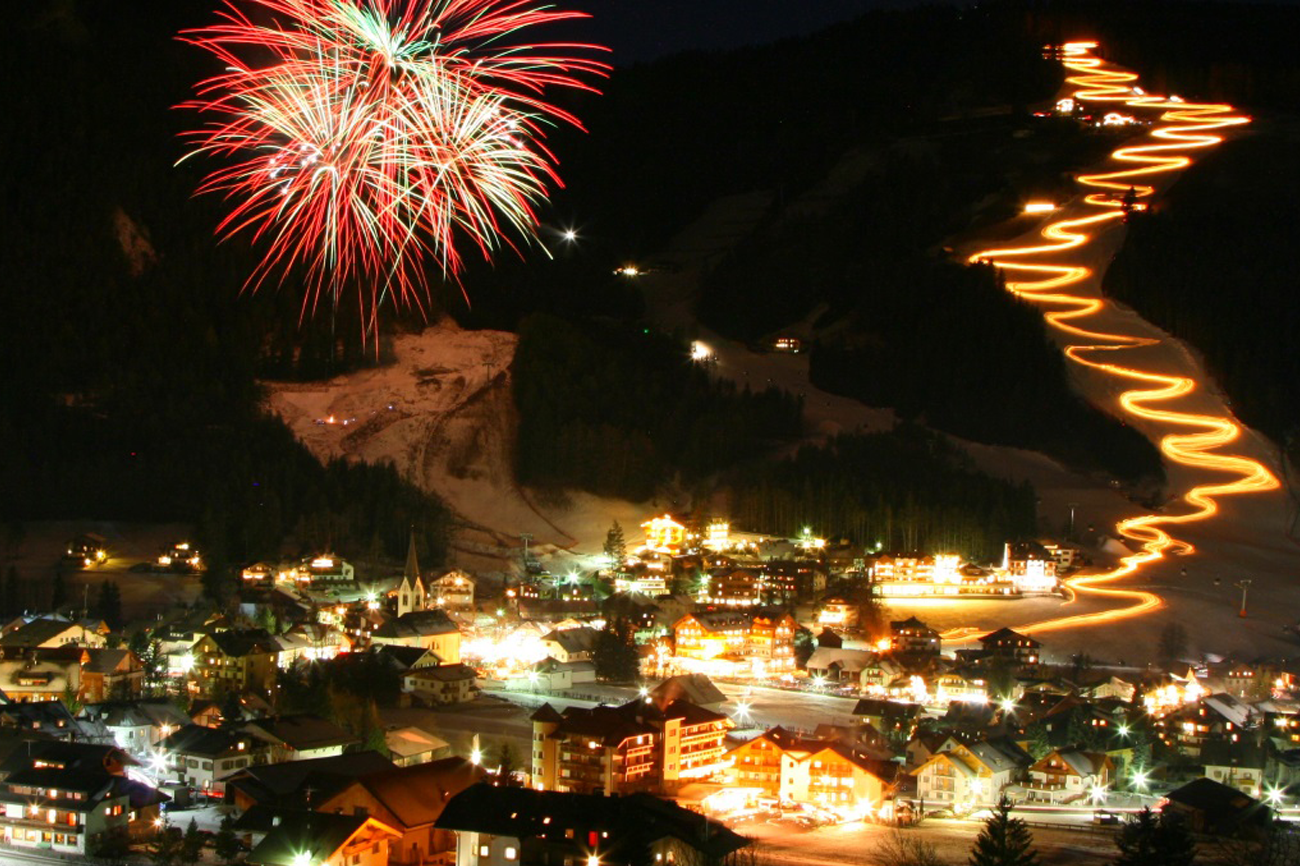
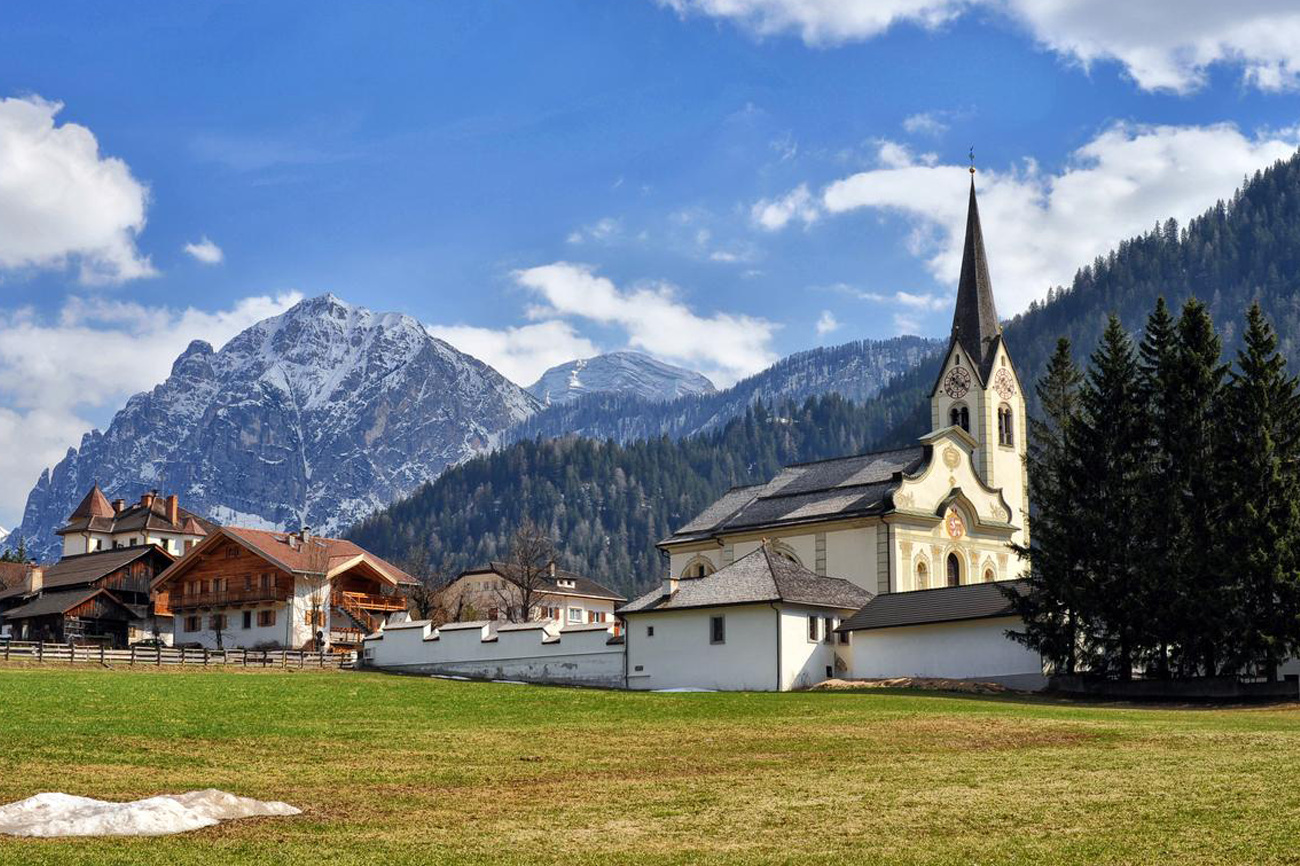
The village is mostly centered around a baroque church and is very cute. Not far away rises the Plan de Corones, which reaches a height of 2277 meters, with an important ski resort developed on its slopes. If you prefer cross-country skiing or hiking instead of traditional skiing or snowboarding, there are numerous tracks and trails that start from San Vigilio and lead towards Val di Fanes, Lake Braies (considered the most beautiful body of water in all of the Dolomites), or the nearby Val dai Tamersc, at the end of which is the Pederù refuge (at 1545 meters) nestled among magnificent mountains and forests of red fir and pine, a starting point for more challenging climbs.
Good to knows.
San Vigilio di Marebbe
The territory was probably inhabited already in prehistoric times. The Celts arrived here and then the Romans around 15 BC: it was they who defined the area “Ladinia”. Little is known about medieval times; around 1200 it was part of the diocese of Bressanone, while at the beginning of the 1400s there was the rule of the Counts of Tyrol who established their judicial seat in San Vigilio. During the wars for the liberation of Tyrol, around 1797, the ‘girl from Spinga’ (named after the village in Val d’Isarco where she had gone to learn German), Katharina Lanz, emerged. According to legend, near the cemetery, she held her ground against a group of Napoleon’s soldiers using only a hay fork. In 1919, the region, formerly Austrian, became Italian.